
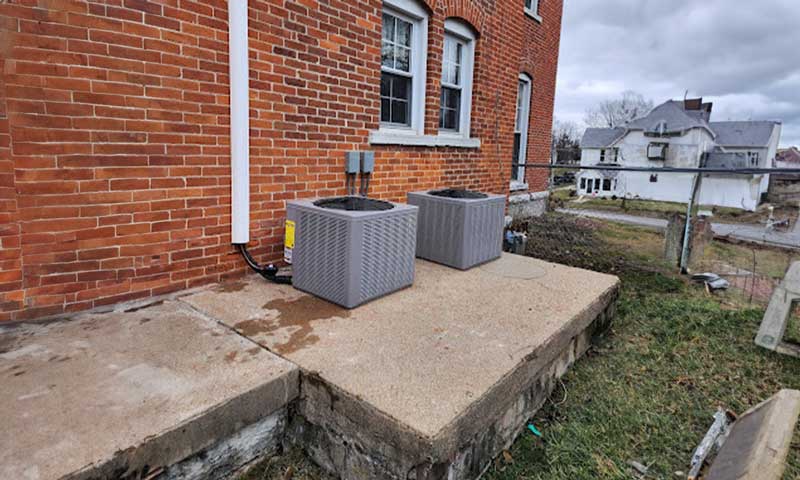
When planning to install a new air conditioning unit, you’ll encounter several factors that influence the overall cost. From the unit’s type and size to the installation’s complexity, every detail adds up. You might be surprised how your ductwork’s condition or installation timing can substantially impact your budget. Understanding these elements can make a big difference in ensuring an efficient and cost-effective setup. So, what are these ten critical factors, and how do they affect your expenses? Let’s break them down one by one.
1. Unit Type
The type of air conditioning unit you choose greatly influences the overall installation cost. Brand reputation plays a key role here, as well-established brands typically come with higher upfront costs but offer better performance, durability, and more extensive warranty options. Not all units are created equal, and cheaper models may lack the reliability and support that reputable brands provide. A well-chosen unit can make all the difference in long-term comfort and cost-efficiency.
2. Unit Size
Choosing the appropriate unit size significantly impacts the efficiency and cost of your AC installation. Selecting a unit with the correct BTU rating ensures your air conditioning system delivers the best cooling capacity for your space. If the unit is too small, it won’t adequately cool the area, leading to higher energy consumption and increased wear and tear. Conversely, an oversized unit can cool the space too quickly, fail to properly dehumidify, and result in discomfort and inefficiency.
To achieve the best results, consider the following factors when choosing the unit size:
- Room Size: Measure the square footage of the area you want to cool. Larger spaces require higher BTU ratings to maintain a comfortable temperature.
- Ceiling Height: Higher ceilings mean more air volume, which affects the cooling capacity needed. Adjust the BTU rating accordingly to ensure efficient cooling.
- Sunlight Exposure: Rooms with significant sunlight will need a higher BTU rating to offset the added heat.
- Number of Occupants: More occupants generate more heat, so consider the average number of occupants when determining the required cooling capacity.
3. Energy Efficiency
Evaluating energy efficiency can significantly reduce your long-term AC installation costs. The SEER rating (Seasonal Energy Efficiency Ratio) measures how efficiently a unit operates over a season, and higher ratings mean lower energy bills. ENERGY STAR-certified central air conditioners use about 8% less energy than standard models, and replacing a unit over 10 years old can save upwards of 30%. While high-SEER units cost more upfront, many utility companies and government programs offer energy rebates that can help offset the difference, making the investment more affordable over time.
4. Ductwork Condition
Considering energy efficiency is important, but don’t overlook the condition of your ductwork when calculating AC installation costs. The state of your ductwork significantly impacts both the efficiency of your new AC unit and the overall installation expense. Here’s what you need to keep an eye on:
- Duct Leaks: Leaky ducts can cause conditioned air to escape, making your system work harder and increasing energy costs. Before installing a new AC unit, ensure your ductwork is sealed correctly to avoid inefficiencies.
- Insulation Quality: Poor insulation can lead to heat loss or gain, reducing your air conditioning system’s efficiency and effectiveness. Assess the quality of your duct insulation to maintain peak performance and reduce energy consumption.
- Duct Size and Layout: Inadequate or poorly designed ductwork can restrict airflow, leading to uneven cooling and increased energy use. Consult a professional to ensure your ducts are appropriately sized and laid out for your new system.
- Cleanliness and Maintenance: Dirty ducts can harbor dust, allergens, and other contaminants, affecting indoor air quality. Regular cleaning and maintenance are crucial to keep your system running smoothly and efficiently.
5. Installation Complexity
The complexity of your AC installation can considerably impact the overall cost and time required for the project. The building structure is important in determining how straightforward or complicated the installation process will be. For instance, older buildings may have unique architectural features that present challenges, such as limited access to certain areas or fragile materials that require extra care. On the other hand, newer constructions might be designed with modern HVAC systems in mind, making the installation smoother and less time-consuming.
Additionally, your home’s electrical setup is a key factor. If your current electrical system isn’t equipped to handle the load of a new AC unit, you’ll likely need to upgrade it, which can add to the cost and duration of the installation. This might involve running new wiring, installing new circuit breakers, or upgrading your electrical panel. Each of these tasks requires specialized skills and can greatly increase the complexity of the installation.
6. Home Size
Your home’s size plays a significant role in determining the cost of AC installation. Larger homes require more extensive systems to provide adequate cooling, which directly impacts installation costs. Yet, square footage alone isn’t the only factor; layout considerations and the home’s cooling load also play critical roles.
When evaluating your home’s size, keep these factors in mind:
- Square Footage: Larger homes naturally require more powerful AC units to maintain a comfortable temperature, which can drive up costs.
- Layout Considerations: Your home’s design, such as the number of floors or the presence of open spaces, can influence the complexity and cost of installation. For example, multi-story homes often need additional ductwork.
- Cooling Load: This involves calculating the cooling load based on your home’s size, insulation, and window placement. A higher cooling load means a more robust system, which can be costlier.
- Zoning Requirements: In larger homes, zoning systems may be necessary to efficiently distribute cool air to different areas, increasing overall costs.
Understanding these elements ensures you make well-informed choices, ultimately providing the best cooling solution for your home while keeping costs in check.
7. System Features
Beyond home size, the features of your AC system will also impact installation costs. Advanced thermostats with programmable settings can optimize energy efficiency and tailor cooling schedules to your needs, while wireless controls let you adjust your home’s climate remotely from a smartphone or tablet. These features add convenience and long-term savings but do increase upfront costs due to the added complexity of integration. When evaluating systems, weigh that initial investment against the potential for improved efficiency and lower energy bills over time.
8. Labor Costs
Labor costs play a crucial role in determining the total expense of your AC installation. When planning this investment, you must consider several factors that influence labor costs. For this investment, you must consider several factors that influence labor costs to ensure you get the best value for your money. Here’s what you should keep in mind:
- Technician Experience: More experienced technicians often charge higher rates, but their expertise can save you money in the long run by ensuring the job is done correctly the first time. An experienced technician is less likely to make mistakes, reducing the likelihood of costly future AC repairs.
- Regional Rates: Labor costs can vary significantly by location. Urban areas with a high cost of living typically have higher labor rates than rural areas. It’s important to research and understand the prevailing rates in your region to set a realistic budget.
- Complexity of the Installation: If your home requires complex ductwork or modifications to existing structures, expect higher labor costs. Detailed installations take longer and require specialized skills, driving up overall costs.
- Seasonal Demand: Labor rates can fluctuate with demand. During peak seasons, such as summer, technicians are busier, and their rates may be higher. Scheduling your installation during off-peak hours can sometimes times can sometimes result in lower labor costs.
Understanding these factors helps you make well-informed choices, ensuring a smooth and cost-effective AC installation.
9. Permits and Inspections
Securing the necessary permits and passing inspections are critical steps in AC installation that often add to the overall cost. Local governments typically require permits to ensure your installation complies with building codes and safety regulations, and fees vary by location and project scope. Inspections then verify that the work meets all applicable standards, and failing one can result in additional costs to adjust or reinstall components. Understanding these requirements beforehand helps you avoid unexpected delays and budget for a smooth, compliant installation.
10. Seasonal Demand
After you’ve sorted out permits and inspections, another significant factor that can influence your AC installation cost is seasonal demand. When you choose to install your AC system, the time of year can drastically impact the price. Here’s how:
- Peak Season: During the summer months, demand for air conditioning installation skyrockets. Installers are busier, and prices are higher due to increased labor costs and limited availability.
- Off-Season Discounts: Conversely, scheduling your installation during the cooler months, like fall or winter, can often result in off-season discounts. Installers have more availability and may offer reduced rates to attract business during slower periods.
- Promotions and Deals: Companies often run promotions during the off-season to keep their crews busy. Take advantage of these deals by scheduling your installation during special offers. Planning your installation during special offers.
- Scheduling Flexibility: If you can be flexible with your installation date, you can secure a better price. Being willing to work around the installer’s schedule can result in significant savings.
Plan Smart and Install with Confidence
Understanding the factors influencing your AC installation costs is crucial for making well-informed choices. From unit type and size to energy efficiency and ductwork condition, each element shapes your total investment. The U.S. Department of Energy notes that improperly installed heating and cooling equipment can reduce system efficiency by up to 30%, underscoring the importance of working with qualified professionals from the start. Don’t overlook the significance of installation complexity, system features, labor costs, permits, inspections, and seasonal demand. By considering these elements with guidance from experienced HVAC professionals like the team at Kight’s Quality Air, you’ll ensure a smooth, cost-effective installation without any hidden surprises. A well-informed choice today sets the stage for efficient, reliable cooling tomorrow.