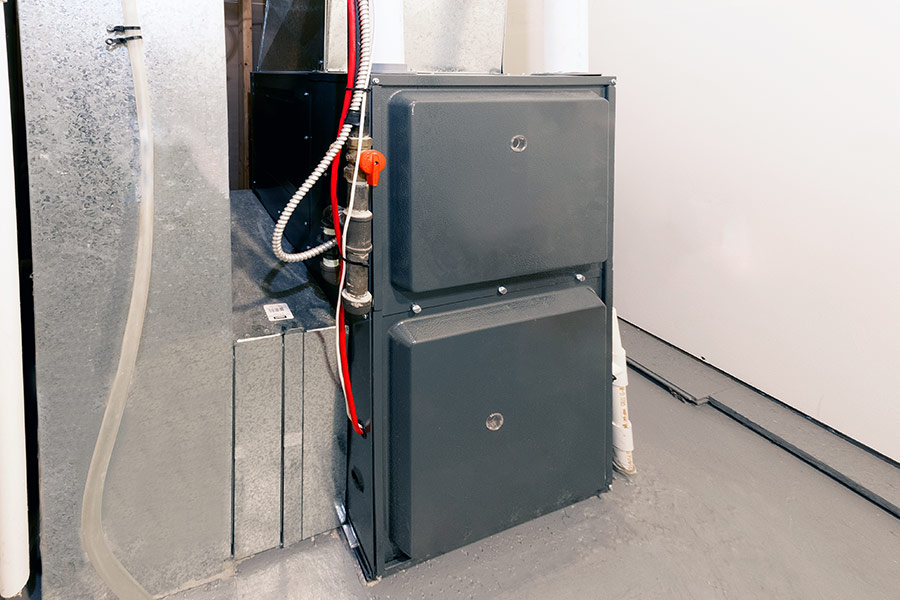
Imagine your home as a living being and the furnace as its beating heart—when it’s struggling, everything feels off. You’re probably wondering if it’s time to replace that aging furnace. The upfront cost might be intimidating, but have you considered the long-term savings and comfort a new model could bring? With energy efficiency advancements and potential utility bill reductions, an upgrade might be the key to a more sustainable home. Are you ready to explore whether the benefits outweigh the costs and guarantee your home’s warmth doesn’t miss a beat?
Signs Your Furnace Needs Replacement
Identifying signs that your furnace needs replacement, such as frequent breakdowns or rising energy costs, is essential for ensuring efficient home heating. If your furnace is over 15 years old, it’s likely nearing the end of its lifecycle. Pay attention to unusual noises like rattling or banging, which indicate mechanical issues. Also, inconsistent heating or uneven temperature distribution throughout your home suggests your furnace struggles to perform effectively. An increase in dust or humidity levels can point to a compromised system. Additionally, repeated repairs add up quickly financially and in terms of inconvenience. By observing these indicators, you can proactively address potential heating issues, ensuring comfort and reliability for those you care about in your home.
Evaluating Current Furnace Efficiency
To evaluate your furnace’s efficiency accurately, you’ll need to analyze its AFUE rating, evaluate its energy consumption patterns, and compare them against current industry standards. The AFUE, or Annual Fuel Utilization Efficiency, indicates the percentage of fuel converted to heat. A higher AFUE suggests better efficiency. Check your furnace’s label or manual for this rating. Next, review your energy bills to identify any unusual increases over time, which may signal declining performance. Compare these figures with modern furnaces, as today’s models often exceed 90% AFUE, significantly reducing energy waste. By thoroughly examining these factors, you can determine whether your furnace is performing well or if it’s time to contemplate an upgrade to serve your household’s heating needs better.
Comparing Furnace Replacement Costs
When comparing furnace replacement costs, it is crucial to consider factors like installation fees, unit size, efficiency ratings, and potential energy savings over time. Begin by evaluating the size of the unit required for your home; a correctly sized furnace guarantees peak performance and cost-effectiveness. Installation fees can vary based on complexity, so obtaining multiple quotes from qualified professionals is advisable. Efficiency ratings, typically expressed as AFUE (Annual Fuel Utilization Efficiency), indicate how well a furnace converts fuel into heat. Higher AFUE ratings often translate to higher costs and indicate superior energy utilization. Don’t overlook additional expenses such as permits, ductwork adjustments, and potential rebates. Thorough research ensures a well-informed decision that aligns with your budget and service goals.
Energy Savings With New Models
New furnace models offer improved efficiency ratings and significant energy savings that can substantially reduce your long-term heating costs. By selecting a model with a high Annual Fuel Utilization Efficiency (AFUE) rating, you can guarantee that more of the fuel you pay for is effectively converted into heat. Modern furnaces can reach AFUE ratings of up to 98%, compared to older models that might only achieve 60-70%. This improvement translates to less energy waste and lower utility bills. You’ll also benefit from advanced features like variable-speed motors and smart thermostats, which optimize performance and comfort. Ultimately, upgrading to a new furnace model allows you to meet your household’s needs more efficiently while being environmentally responsible.
Understanding Furnace Lifespan
Understanding the lifespan of your furnace involves considering factors such as maintenance frequency, usage patterns, and the quality of installation, which collectively determine how long it will efficiently serve your home. Regular maintenance is essential; neglecting annual inspections can reduce efficiency and accelerate wear. Pay attention to usage; constant high demand can shorten lifespan, while moderate use can extend it. The quality of installation plays a significant role; a poorly installed furnace may encounter operational issues, leading to early replacement. Typically, furnaces last 15-20 years. However, if you notice frequent repairs, inconsistent heating, or rising energy bills, your furnace might be nearing the end of its life. Address these concerns promptly to ensure your home remains a warm, welcoming haven.
Benefits of Upgraded Technology
Upgraded furnace technology offers enhanced energy efficiency, improved performance, and advanced features that significantly reduce operational costs and increase home comfort. By investing in a modern furnace, you’ll benefit from variable-speed blowers and smart thermostats that precisely regulate temperature. These innovations guarantee consistent warmth while maintaining ideal energy use, even in fluctuating weather. Furthermore, modern units operate quietly, minimizing noise disruptions in your home. Advanced filtration systems embedded in contemporary furnaces enhance indoor air quality, promoting a healthier living environment. Additionally, integrating diagnostic technology within these systems allows for proactive maintenance, ensuring reliability and longevity. By choosing an upgraded furnace, you’re improving efficiency and fostering an inviting and comfortable atmosphere for those you care for.
Environmental Impact Considerations
When considering furnace replacement, it is crucial to evaluate the environmental impact by analyzing the unit’s energy consumption and emissions output. Modern furnaces boast improved energy efficiency, often reflected in high Annual Fuel Utilization Efficiency (AFUE) ratings, which indicate reduced fuel consumption and lower carbon emissions. Opt for units with ENERGY STAR certification; these meet strict efficiency guidelines, leading to less environmental harm. A well-chosen furnace can significantly lower your household’s carbon footprint. Additionally, consider units that support alternative energy sources, like solar or geothermal, which further mitigate environmental impacts. By selecting an eco-friendly furnace, you reduce energy bills and contribute to a more sustainable future, aligning your home with environmentally conscious practices that benefit communities and future generations.
Financing and Budgeting Options
Exploring financing and budgeting options is essential to guarantee you can afford a furnace replacement without compromising your financial stability. Start by evaluating your current financial standing and determining a budget. Consider low-interest financing plans offered by HVAC companies, which can spread costs over manageable monthly payments. Investigate energy efficiency rebates or tax credits available in your region, potentially reducing the overall expense. Prioritize creating a dedicated savings fund for this investment, ensuring you’re prepared for emergencies or unexpected costs. Consult with financial advisors to explore personal loan options or lines of credit that align with your financial goals. By meticulously planning and researching, you secure a seamless shift to a new furnace, optimizing comfort while safeguarding your financial well-being.
Choosing the Right Furnace Size
Selecting the right furnace size ensures peak energy efficiency and comfort in your home. An undersized furnace won’t adequately heat your space, leading to unnecessary strain and reduced lifespan. Conversely, an oversized furnace cycles on and off too frequently, causing energy waste and inconsistent temperatures. To determine the correct size, consider factors such as square footage, ceiling height, insulation quality, and local climate. Conduct a thorough load calculation using Manual J methodology. This all-encompassing approach evaluates heat loss and gain, ensuring your furnace meets your home’s requirements. By choosing an appropriately sized furnace, you contribute to a comfortable living environment, optimize energy consumption, and effectively serve your household’s needs.
Professional Installation Importance
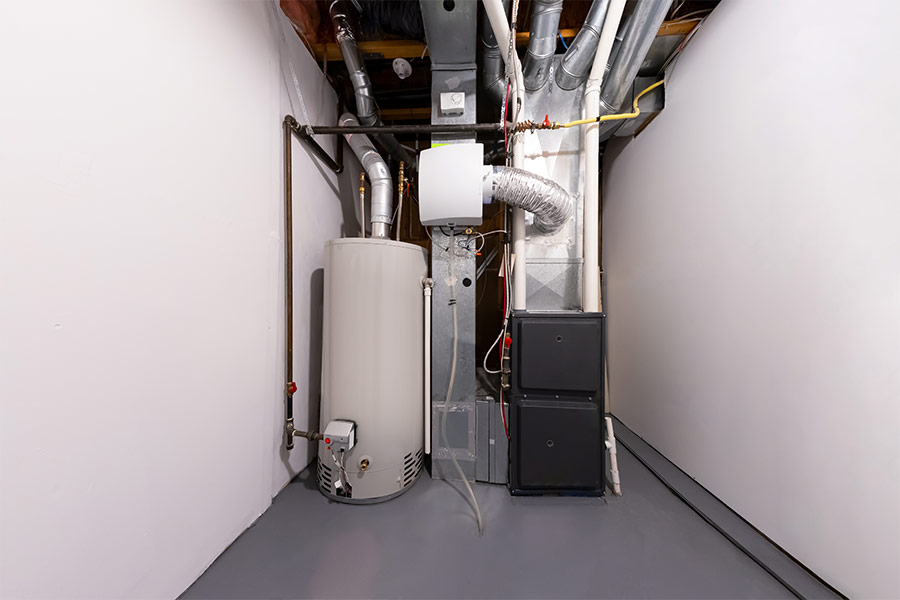
Proper installation of your furnace by a professional is crucial to guaranteeing the system’s peak performance, safety, and longevity. When a furnace isn’t installed correctly, it can lead to inefficient operation, higher energy costs, and potential safety hazards like gas leaks or carbon monoxide exposure. Professionals possess the technical expertise to correctly size ductwork, ensure proper ventilation, and verify that all connections are secure. They’ll also calibrate the system for best efficiency, ensuring it operates within manufacturer specifications. Additionally, many warranties require professional installation to remain valid. By hiring a certified technician, you’re prioritizing the well-being of those you serve, guaranteeing reliable heat distribution, and extending the lifespan of your furnace. Don’t compromise on installation—choose professional expertise.
Conclusion
Upgrading your furnace isn’t just a decision; it’s a revolutionary leap toward unparalleled comfort and efficiency. You’ll marvel at the drastic reduction in energy bills and bask in the enhanced reliability and safety features. By choosing the right size and ensuring professional installation, you’re investing in a future where your home’s environment is financially and ecologically sustainable. Don’t let an outdated furnace hold you back—embrace the future today with a new, efficient model.
Frequently Asked Questions
Assess local weather patterns and contractor availability to determine the best time for furnace replacement. When demand is lower, aim for spring or fall to ensure prompt service. Throughout the process, prioritize client comfort and efficient energy use.
You should hire a professional to install your new furnace. They guarantee proper installation, safety compliance, and efficiency. Attempting it yourself could lead to costly mistakes, void warranties, and create hazards, impacting your ability to serve others effectively.
You should explore federal and state tax incentives for upgrading to an energy-efficient furnace. These incentives often include tax credits or rebates, allowing you to save money while contributing to environmental sustainability and energy conservation efforts.
Picture your old furnace being meticulously dismantled, guaranteeing all hazardous materials are contained. Contact a professional recycling service specializing in HVAC disposal. They’ll guarantee safe handling and environmentally responsible recycling, preventing harm to both people and the planet.
Yes, new furnace installations often come with warranties. You should check the duration, coverage specifics, and servicing requirements. Ensure your installer provides all documentation, empowering you to assist others with informed advice and reliable service effectively.