

Not every Indianapolis home is built for a traditional central air conditioning system, and not every homeowner wants the disruption and expense of installing ductwork just to gain reliable comfort in a specific part of the house. Ductless mini-split systems have become an increasingly practical solution for a wide range of properties in this area, from older homes near Fountain Square that were never designed with ducts in mind to newer additions and finished lower levels throughout the suburbs. Whether this type of system is the right fit depends on the property, the goals, and a clear-eyed conversation with a qualified HVAC technician.
What Is a Ductless Mini Split System and How Does It Work?
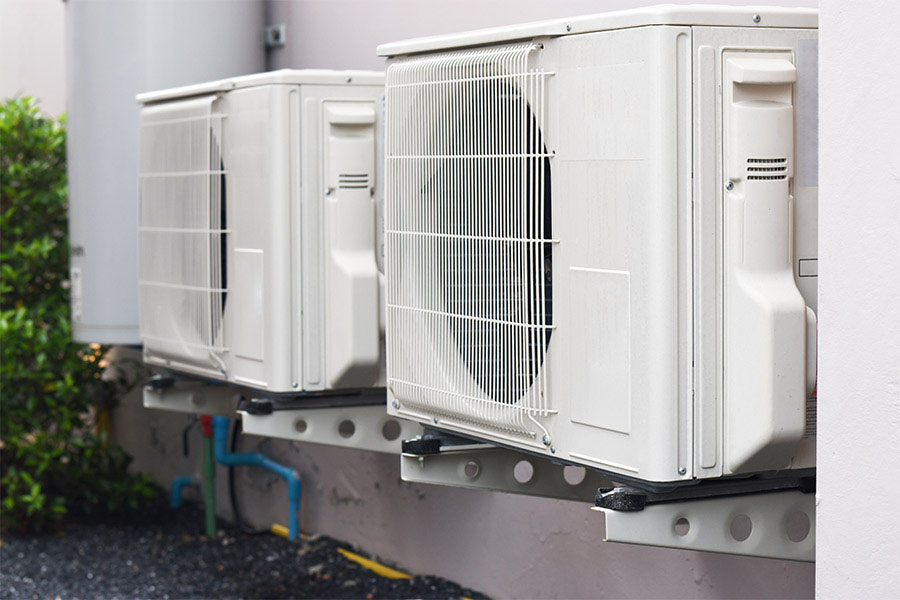
A ductless mini-split system consists of two primary components: a wall-mounted indoor air-handling unit and an outdoor condenser. The two units are connected by a small conduit that runs through a modest opening in the wall, carrying refrigerant lines, electrical wiring, and a condensate drain.
Unlike a central system, which moves conditioned air through a network of ducts to every room in the house, a mini-split delivers heating or cooling directly to the space where the indoor unit is installed. The outdoor unit manages heat transfer, absorbing heat from inside and releasing it outdoors during cooling mode, and reversing that process for heating. This direct delivery approach eliminates energy losses associated with ductwork and enables precise, room-level temperature control.
For homeowners considering their options, ductless mini-split installation from a qualified technician ensures the system is correctly sized, properly positioned, and installed to manufacturer specifications for maximum efficiency.
Benefits of Ductless Mini Splits for Indianapolis Homes
Working in homes across Indianapolis, our team sees a consistent pattern: ductless systems tend to perform exceptionally well when a central system either cannot reach or cannot operate efficiently. The advantages go beyond just convenience.
- Zoned comfort: Each indoor unit operates independently, allowing different rooms or zones to be set to different temperatures. This eliminates the common frustration of one area of the home being too warm while another is too cold.
- Energy efficiency: Because conditioned air is delivered directly to the space rather than traveling through ducts, ductless systems avoid the energy losses that can account for a significant portion of a central system’s operating cost.
- Minimal installation disruption: Installation typically requires only a small wall penetration for the connecting conduit, making it far less invasive than retrofitting ductwork through finished ceilings and walls.
- Year-round use: Most ductless mini-split systems function as heat pumps, providing both cooling in summer and efficient heating during Indianapolis winters without requiring a separate heating system for the zone.
- Flexible placement: Indoor units can be mounted high on a wall, recessed into the ceiling, or installed as floor-mounted units, giving homeowners and technicians options that suit the room’s layout and aesthetics.
How to Determine If a Ductless Mini Split Is Right for You
The decision to install a ductless system is best made with professional guidance, but there are several circumstances where this type of equipment consistently proves to be the right call. Consider a ductless mini split if your situation involves any of the following:
- No existing ductwork: Homes built without central HVAC infrastructure, including many older Indianapolis properties, are strong candidates because avoiding duct installation saves high cost and disruption.
- Home additions or converted spaces: Garages converted to living space, finished basements, sunrooms, and additions that sit outside the reach of the existing central system benefit from targeted ductless solutions.
- Zoning goals: Homeowners who want independent temperature control in specific rooms, such as a home office, bedroom, or lower level, without affecting the rest of the house.
- Energy efficiency priorities: Households looking to reduce cooling and heating costs by conditioning only the spaces in active use rather than the entire home uniformly.
- Budget flexibility: While upfront installation costs vary based on the number of zones and the complexity of the job, ductless systems often deliver long-term operational savings that offset the initial investment.
An AC installation and replacement consultation with a Kight’s Quality Air technician can clarify whether a ductless system or a traditional central system is the better fit for a specific property and comfort goal.
Installation Considerations for Ductless Mini Splits
Professional installation is essential for a ductless system to perform as designed. Several factors influence how the installation is approached and what the process involves.
Indoor unit placement matters significantly. The unit should be positioned to allow adequate airflow across the entire space it is intended to condition, without obstructions that would create uneven coverage or force the system to work harder than necessary. Outdoor unit placement also requires careful consideration, particularly regarding airflow clearance and future maintenance access.
Electrical requirements must be verified before installation begins. Ductless systems require a dedicated circuit, and older Indianapolis homes may need panel evaluation or upgrades to support the added load. A licensed technician will assess this during the planning process.
Local building codes and permit requirements apply to HVAC installations, and a reputable contractor handles compliance as standard practice. Homeowners should be cautious of any installer who does not address permitting as part of the scope of work.
Finally, discussing optional features such as smart thermostat compatibility or multi-zone configurations during the planning phase allows the installation to be completed in a way that accommodates future needs without requiring additional work later.
Comparing Ductless Mini Splits With Traditional HVAC Systems
Both system types have their place, and the right choice depends on the specific property and use case rather than a universal preference for one over the other. Here is how the two approaches compare across the most relevant decision factors:
- Energy efficiency: Ductless systems avoid the distribution losses inherent in ductwork, which can meaningfully reduce operating costs in the right application. Central systems can be highly efficient as well, particularly in homes with well-maintained ducts and a properly sized system.
- Zoned control: Ductless systems offer native zone-by-zone control. Central systems can achieve zoning with additional dampers and controls, but the complexity and cost increase accordingly.
- Installation scope: Ductless installation is less invasive in homes without existing ducts. Central systems are more cost-effective in homes that already have functional ductwork.
- Coverage area: A single central system uniformly conditions the entire home. Ductless systems work best when targeted at specific zones and are often used in combination with a central system rather than as a full replacement.
- Maintenance: Both system types require regular professional maintenance. Ductless systems have fewer components than ducted systems but still require coil cleaning, filter service, and refrigerant checks to operate reliably.
A Split Decision Worth Making
For the right Indianapolis property, a ductless mini-split system delivers comfort, efficiency, and flexibility that a traditional central system simply cannot match. For other homes, central equipment remains the stronger choice. The honest answer depends on an honest assessment of the property, and that is exactly what Kight’s Quality Air Conditioning & Heating Repair is here to provide. Contact our team today to schedule a consultation and find out which system is the right fit for your home.