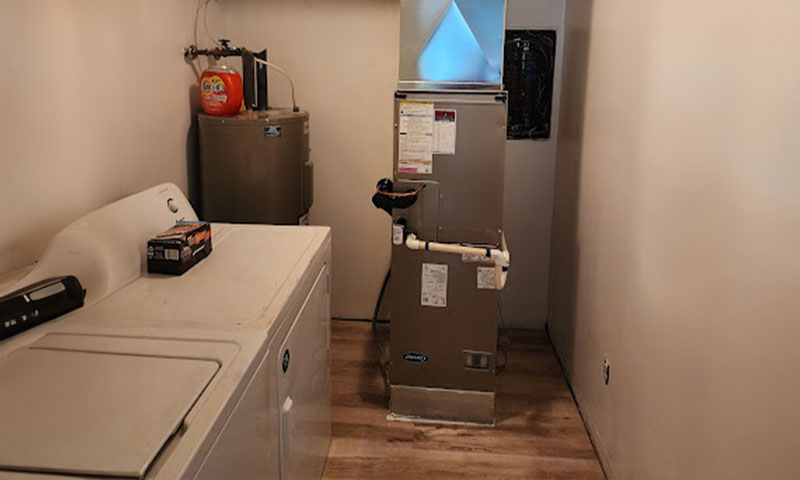
A burning smell coming from a furnace is one of those situations that immediately gets a homeowner’s attention, and rightfully so. In some cases, the cause is benign and temporary. In others, it signals a problem that needs professional attention before the system is run again. Knowing the difference and when to stop waiting and call a technician is what this guide is designed to help with. As a team providing heating service throughout Indianapolis, we want homeowners to have the information they need to respond appropriately, rather than either dismissing a real warning sign or panicking over something routine.
Common Causes of a Burning Smell From Your Furnace
The origin of a furnace burning smell matters because the right response depends entirely on what is causing it. Here are the most common sources our technicians encounter:
- Dust burning off the heat exchanger: When a furnace sits unused through the spring and summer months, dust accumulates on the heat exchanger and burner assembly. When the system fires up for the first time in the fall, that dust burns off, producing a brief, mildly acrid smell. This is normal and typically dissipates within the first one or two heating cycles.
- Dirty or overloaded air filter: A severely clogged filter restricts airflow across the heat exchanger, causing internal temperatures to rise beyond normal operating range. The resulting overheating can produce a burning smell that persists until the restriction is removed. Replacing the filter is the first step, but if the smell persists, the system may need a professional inspection to confirm there is no damage.
- Electrical issues: A burning smell with a plastic or chemical character, rather than a dusty odor, is a meaningful distinction. This type of smell can indicate overheating electrical components, burnt wiring insulation, or a failing motor. It should not be dismissed or attributed to dust burnoff.
- Oil furnace leak or improper combustion: Homes with oil-fired furnaces may notice a heavier, fuel-like burning smell if there is a small leak or if the burner is not combusting cleanly. This warrants prompt professional attention.
- Foreign objects near heating components: Items stored too close to the furnace, or debris that has found its way into the air handler or ducts, can produce a burning smell when the system runs. Routine furnace maintenance and tune-up service includes inspection of the area around the unit and internal components for exactly this reason.
When to Worry About a Burning Odor in Your Furnace
The key distinction is whether the smell is temporary and consistent with first-of-season dust burnoff, or persistent, intensifying, or accompanied by other symptoms. Here is how to read the situation:
A faint, dusty smell that appears when the furnace first runs after months of inactivity and dissipates within one to two hours of operation is almost always dust burning off and is not cause for concern.
The following situations warrant turning the furnace off and calling a technician:
- A burning smell that persists beyond the first few cycles of the season, or that appears mid-season without a clear explanation
- A plastic, chemical, or rubber-like odor, which points to an electrical or component issue rather than dust
- Any burning smell accompanied by smoke, visible discoloration near vents or the furnace cabinet, or carbon monoxide detector activation
- A burning smell that returns each time the system runs, rather than clearing after the first use
Trusting your instincts matters here. If something about the smell feels wrong, turning the system off and calling for service is the right call. A technician would rather evaluate a system that turns out to be fine than have a homeowner dismiss a warning sign that leads to a more serious situation.
Steps to Diagnose a Burning Smell
When a burning smell appears, a methodical approach helps identify the cause and determine whether professional service is needed immediately or can be scheduled for the near term.
Start by turning off the furnace if the smell is strong, chemical in character, or accompanied by smoke. Safety first is not a cliché in this context.
With the system off, check the air filter. A filter that is visibly clogged or has not been changed in several months is the most common fixable cause and should be replaced before restarting the system.
Inspect the area immediately around the furnace for anything that might be in contact with or too close to the unit. Stored items, cardboard, or debris near the cabinet or return air intake can produce a burning smell when the system runs.
Look at the vents throughout the home for any visible discoloration, soot, or smoke residue that might indicate where a combustion or overheating issue is occurring.
If the filter is clean, the area is clear, and the smell persists even when the system is running, the problem requires a qualified technician to perform furnace repair. Electrical issues, heat exchanger cracks, and burner problems cannot be safely diagnosed or resolved without professional tools and training.
Preventive Measures to Avoid Future Burning Odors
Most furnace-burning-smell situations are preventable with consistent maintenance. Here is what makes the biggest difference:
- Change the air filter every one to three months: This is the single most impactful maintenance task a homeowner can perform. A clean filter prevents airflow restriction, which leads to overheating and burning smells.
- Keep the area around the furnace clear: Nothing combustible should be stored within several feet of the unit. This includes boxes, cleaning supplies, and seasonal items that tend to migrate into utility rooms over time.
- Schedule an annual professional inspection: A pre-season tune-up is an opportunity for a technician to clean burner components, inspect the heat exchanger, check electrical connections, and identify anything that might produce a burning smell or pose a safety concern during the heating season.
- Consider a programmable thermostat: Regulating the system’s operating hours reduces total run time, which reduces wear and the likelihood of overheating during high-demand periods.
For homes where furnace installation or replacement is on the horizon, addressing a persistent burning smell sooner rather than later is part of responsible system management throughout the equipment’s remaining service life.
When to Call Kight’s Quality Air for Help
If a burning smell does not fit the profile of routine dust burnoff, the conversation moves from observation to action. Kight’s Quality Air provides emergency HVAC service for situations that cannot wait, as well as scheduled service for serious but not immediately dangerous issues. Either way, the right response to a furnace burning smell that raises any concern is to call rather than continue operating and monitoring.
Our team works with Indianapolis homeowners to provide honest assessments of what is causing the smell, what it will take to resolve it, and the options if the system has reached a point where repair and replacement need to be weighed.
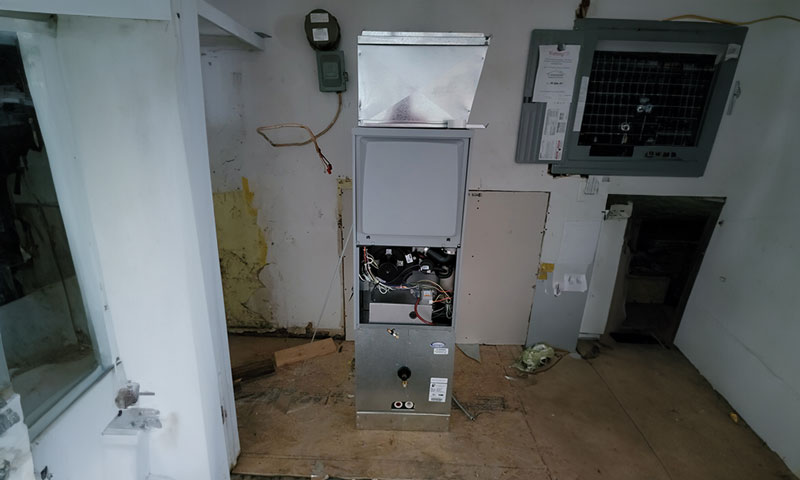
Something Smells Like Kight’s Quality Heating Service
A burning smell from your furnace is a warning, and acting on it promptly is always better than waiting to see if it resolves on its own. Kight’s Quality Air Conditioning & Heating Repair brings the experience and straightforward approach that Indianapolis homeowners need when their heating system sends up a warning. Contact our team today to schedule an inspection and make sure your furnace is ready to heat your home safely and reliably all winter long.