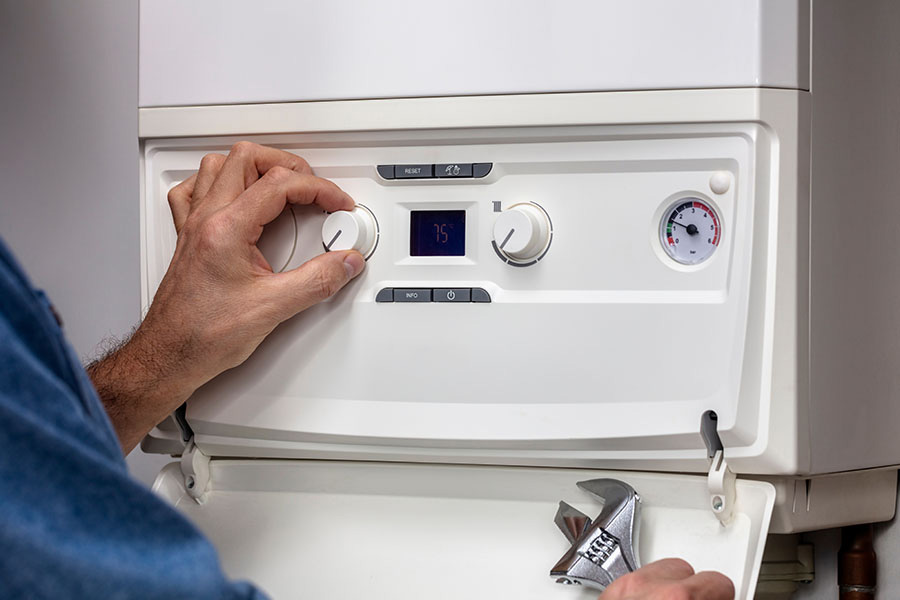
Imagine waking up in the middle of winter to find your home uncomfortably chilly due to inconsistent heating from your boiler. This scenario is more common than you might think, and it can stem from various issues. If you’ve been experiencing similar problems, it’s crucial to understand the common boiler issues that could be affecting your system and how to address them effectively. Let’s explore what you can do to restore your comfort.
Inconsistent Heating Across Your Home
Have you ever noticed that some rooms in your home seem warmer than others? This inconsistency often stems from a few common issues with your boiler or heating system.
First, check for blocked vents or radiators. Dust and debris can restrict airflow, causing uneven heating. You might also want to inspect your thermostat settings; if they’re not calibrated correctly, some areas might be getting less heat.
Another factor could be your home’s insulation. Poor insulation can lead to heat loss in certain rooms, making them feel colder.
If you’ve ruled out these issues, consider having a professional assess your boiler. They can identify problems like air trapped in the system or uneven water distribution. Additionally, upgrading to efficient systems can significantly reduce energy costs and improve overall heating consistency.
Strange Noises Coming From the Boiler
If you hear strange noises coming from your boiler, it can be a cause for concern and may indicate an underlying issue.
These noises often include banging, gurgling, or whistling sounds. Banging might signal trapped air in the system, while gurgling could mean there’s low water levels or sediment buildup. Whistling sounds might suggest a pressure problem or a faulty valve.
To address these issues, start by checking the boiler’s water levels and ensuring there’s no air trapped in the system.
Bleed the radiators if necessary. If the noises persist, it’s best to call Kight’s Quality Air. Our expert team can diagnose the problem and provide tailored solutions, ensuring your boiler operates smoothly and efficiently. Professional repair can also extend the lifespan of your heating system.
Boiler Pressure Issues
When your boiler’s pressure isn’t right, it can lead to a range of problems. You might experience low pressure due to leaks or other issues, while high pressure can cause serious safety concerns. Let’s explore how to identify the causes and find effective solutions for your boiler pressure issues. Regular maintenance of heating systems is crucial to prevent such pressure-related problems from arising.
Low Boiler Pressure Causes
Understanding low boiler pressure is essential for maintaining an efficient heating system in your home. When your boiler pressure drops, it can lead to inadequate heating and potential system failures.
Several factors could cause this issue:
- Leaks in the system: Small leaks in pipes or radiators can result in pressure loss.
- Faulty pressure relief valve: If this valve malfunctions, it might allow water to escape, decreasing pressure.
- Low water levels: Insufficient water in the system can cause pressure to drop below the normal range.
High Boiler Pressure Solutions
High boiler pressure can lead to serious issues, but you can address it effectively with the right solutions.
First, check the pressure gauge; it should typically be between 1 and 2 bar. If it’s too high, you may need to release some pressure using the relief valve or bleed the radiators.
Next, inspect the expansion vessel; it may need recharging or replacement if it’s faulty. Additionally, verify the pressure relief valve isn’t stuck or leaking.
If you’re uncomfortable performing these tasks, don’t hesitate to call Kight’s Quality Air. Our team provides expert help to verify your boiler operates safely and efficiently.
Leaking or Dripping Water
If you’re noticing water leaking or dripping from your boiler, it’s crucial to understand the common causes behind it.
This issue can stem from various sources, but quick repair solutions are often available.
Let’s explore what might be causing the leak and how you can address it effectively. Regular boiler maintenance, similar to air duct cleaning, can help prevent leaks and extend the lifespan of your heating system.
Common Causes Explained
When you notice leaking or dripping water around your boiler, it’s crucial to act quickly, as this can indicate underlying issues. Several common causes could be at play, and identifying them early can save you from more significant problems down the line.
- Loose or damaged fittings: Over time, connections can wear out or loosen, leading to leaks.
- Corroded pipes: Rust and corrosion can weaken your pipes, causing them to fail.
- Pressure issues: Excessive pressure in the system can lead to leaks, as the boiler struggles to contain the water.
Understanding these causes helps you recognize the severity of the situation. If you suspect any of these issues, don’t hesitate to seek professional help.
Quick Repair Solutions
Recognizing the common causes of leaks around your boiler is the first step in addressing the issue.
You might find leaks from loose fittings, damaged pipes, or a faulty pressure relief valve. Start by tightening any loose connections; a simple turn can often solve the problem.
If the leak persists, check for cracks in the pipes and consider replacing damaged sections. For a faulty pressure relief valve, replacing it is usually the best option.
Remember, always turn off your boiler before attempting any repairs.
If the problem seems too complex or continues after your efforts, don’t hesitate to call Kight’s Quality Air for expert help. They’ll get your boiler running smoothly again in no time.
Pilot Light Problems
Though pilot light problems can be frustrating, understanding their causes and solutions can help restore warmth to your home. If your boiler’s pilot light won’t stay lit, you may face cold temperatures and discomfort.
Here are some common culprits:
- Dirty pilot orifice: Dust or debris can block the gas flow, preventing ignition.
- Thermocouple issues: A faulty thermocouple may fail to detect heat, shutting off the gas supply.
- Gas supply problems: Low gas pressure or a closed valve can hinder the pilot light from functioning.
To troubleshoot, start by checking the pilot light and thermocouple. Clean any buildup and verify the gas supply is open.
If you can’t resolve the issue, don’t hesitate to contact Kight’s Quality Air for expert assistance. They can help diagnose the problem and get your boiler back in working order, making sure your home stays warm and comfortable.
Boiler Not Turning On
If your boiler isn’t turning on, it can lead to an uncomfortable home environment, especially after dealing with pilot light issues.
First, check your thermostat; it might be set too low or turned off. If that’s not the problem, inspect your power supply. Verify the boiler’s circuit breaker hasn’t tripped and that it’s receiving electricity.
Next, look for any error codes on the control panel, which can guide you in troubleshooting. If you notice a fault, consult your manual for specific solutions.
Additionally, check the water level in the boiler; low levels can prevent it from firing up.
If everything seems in order, but it still won’t start, it’s best to call professionals like Kight’s Quality Air. They offer expert assistance and can diagnose the issue quickly, making sure your home stays warm and comfortable.
Unpleasant Odors Emitting From the Boiler
Why are unpleasant odors coming from your boiler? It’s a concern that shouldn’t be ignored.
These odors can signal various issues, from minor to serious. Here are a few common causes:
- Gas Leak: A sulfur-like smell could indicate a gas leak, which is dangerous and requires immediate attention.
- Burning Dust: If you notice a burning smell, it might just be dust burning off the heating elements after a long period of inactivity.
- Mechanical Issues: Oil or other mechanical problems can produce strange odors, suggesting it’s time for a professional inspection.
If you’re experiencing any unpleasant odors, don’t hesitate to contact Kight’s Quality Air.
They offer expert HVAC services and personalized solutions to keep your home safe and comfortable.
Conclusion
Don’t let boiler issues leave you in the cold! By tackling problems like inconsistent heating, strange noises, and leaks promptly, you can keep your home warm and cozy. If you find yourself in over your head, don’t hesitate to call a professional. Remember, a stitch in time saves nine, and getting regular maintenance can prevent bigger headaches down the road. Stay on top of these common problems, and you’ll enjoy a reliable boiler for years to come!