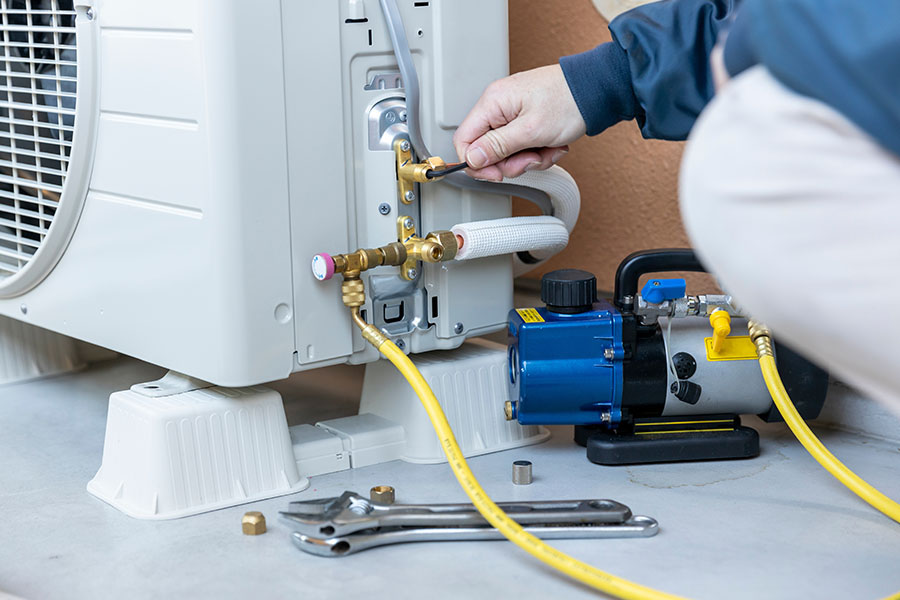
A leaking air conditioner is one of the more common calls we receive during Indianapolis summers, especially when temperatures climb, and systems run hard day after day. Whether you are noticing a small puddle near your indoor unit or water stains forming on the ceiling below an attic-mounted system, the cause is usually traceable, and the solution is well within reach for a qualified technician. As the team providing AC repair in Indianapolis, we want to walk you through what typically causes these leaks, how to assess the severity of the issue, and when to call a professional.
Identify the Cause of Your AC Leak
When your AC starts leaking water, identifying the source quickly is the best way to limit any secondary damage to your home. There are several common culprits our technicians encounter on service calls throughout Indianapolis:
- Clogged drain line: Dust, dirt, and algae accumulate inside the condensate drain line over time. When the line becomes blocked, water backs up and overflows from the drain pan.
- Dirty air filter: A filter that has gone too long without replacement restricts airflow across the evaporator coil. Reduced airflow causes the coil to freeze, and when the ice melts, it produces more water than the drain system can handle.
- Failing condensate pump: In systems where the drain pan is below the drainage exit point, a condensate pump removes water from the unit. If the pump fails, water accumulates and eventually overflows.
- Corrosion or component damage: Visible rust or deterioration around the unit can indicate refrigerant issues or other internal problems affecting moisture management within the system.
- Improper unit sizing: An oversized air conditioner cools the space too quickly, cycling off before it can properly dehumidify. This leads to excess condensation and drainage problems over time.
Scheduling routine AC maintenance and tune-up service is one of the most reliable ways to stay ahead of these issues before they turn into leaks.
Assess the Severity of the Water Leak
Not every AC leak carries the same level of urgency, but all of them deserve prompt attention. Before reaching out to a technician, take a moment to observe what is happening around your unit so you can give an accurate description of the situation.
Consider these key points:
- Location of the leak: Water near electrical components, wiring, or your breaker panel is an immediate safety concern and should prompt a call right away.
- Duration of the leak: A leak that has been ongoing for days or longer has had more time to saturate insulation, drywall, or subflooring, increasing the risk of structural damage and mold growth.
- Impact on surrounding areas: If water is affecting walls, ceilings, or floors, the damage may extend beyond the HVAC system itself and require additional remediation.
In our service calls throughout Indianapolis, some of the more significant water-damage situations we encounter have started as small, ignored leaks in finished basements or second-floor utility closets. Catching a leak early and having it properly evaluated by a professional makes a meaningful difference in the scope of repairs needed.
What a Professional Will Address
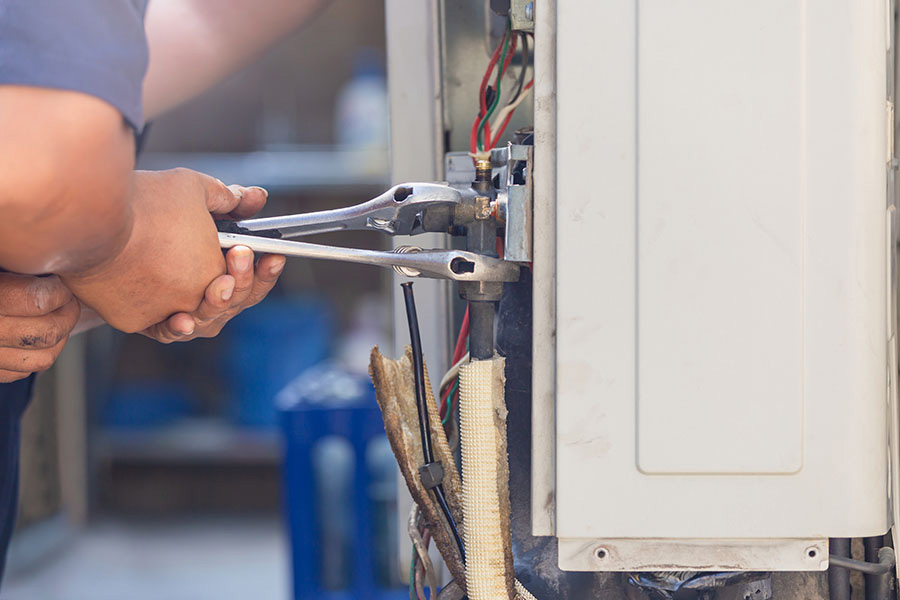
While it is understandable to want to address a leak on your own, most AC water leaks involve internal components that benefit from a trained eye. A technician can clear a blocked condensate drain line with the right tools, verify that the condensate pump is operating correctly, check refrigerant levels, and confirm that the evaporator coil is in good condition. Attempting to flush drain lines or handle refrigerant-related issues without proper equipment can mask the underlying problem or create new ones.
That said, there are a few things homeowners can safely do while waiting for service:
- Check your air filter and replace it if it is visibly dirty or has not been changed in more than 90 days
- Turn the system off if you notice ice on the unit, and allow it to thaw before running it again
- Clear any debris from around the outdoor unit that might be affecting overall system performance
- Confirm your thermostat is not set to an unusually low temperature, which can contribute to excess condensation
These steps will not resolve an underlying issue, but they can prevent the situation from worsening before a technician arrives.
When to Call Kight’s Quality Air for Help
If the leak is persistent, if you are hearing unusual sounds from the system, or if your energy bills have climbed without explanation, those are clear signals that the system needs professional attention. Unusual noises often point to internal mechanical issues, and efficiency drops can indicate the system is working harder than it should to compensate for a drainage or airflow problem.
Here are the signs that warrant a service call:
- Persistent water pooling: Water that continues to accumulate around the unit after basic checks is a sign of a deeper problem that requires professional diagnosis.
- Unusual noises: Gurgling, hissing, or banging sounds alongside a leak can indicate issues beyond a simple clogged drain.
- Increased energy bills: A sudden, unexplained spike in cooling costs often signals that the system is running inefficiently, which may be linked to the same root cause as the leak.
Delaying service when these signs are present typically leads to more extensive and more expensive repairs down the line. The sooner a licensed technician can assess the system, the better the outcome tends to be.
Prevent Future AC Leaks With These Tips
Staying ahead of AC water leaks largely comes down to consistent, professional maintenance and a few good habits throughout the cooling season. Based on what we see in Indianapolis homes, the systems that hold up best over time are the ones that receive regular attention rather than reactive repairs.
- Change your air filter regularly: Replace it every 1 to 3 months, depending on your home’s dust levels, pets, and occupancy. A clean filter keeps airflow healthy and reduces the risk of coil freeze.
- Keep the condensate drain line clear: Annual professional maintenance includes inspecting and clearing the drain line, which is the single most common source of AC water leaks.
- Confirm the unit is level: An air handler or outdoor unit that has shifted out of level over time can cause water to pool unevenly and overflow from the drain pan.
- Monitor indoor humidity: Indianapolis summers bring significant humidity, and an overwhelmed system will struggle to manage both temperature and moisture simultaneously. A whole-home dehumidifier or properly sized system can help.
- Schedule annual professional maintenance: A yearly tune-up gives a technician the opportunity to catch small issues, clean critical components, and verify the drainage system is functioning correctly before peak season demand arrives.
Keep Cool and Dry This Summer With Kight’s Quality Air
A leaking AC is a system telling you something needs attention, and responding promptly is always the right call. Whether the issue turns out to be a simple clog or something that requires more involved service, Kight’s Quality Air Conditioning & Heating Repair has the experience and the tools to get your system back in shape. Contact our team today to schedule a service visit and keep your Indianapolis home comfortable and dry all season long.