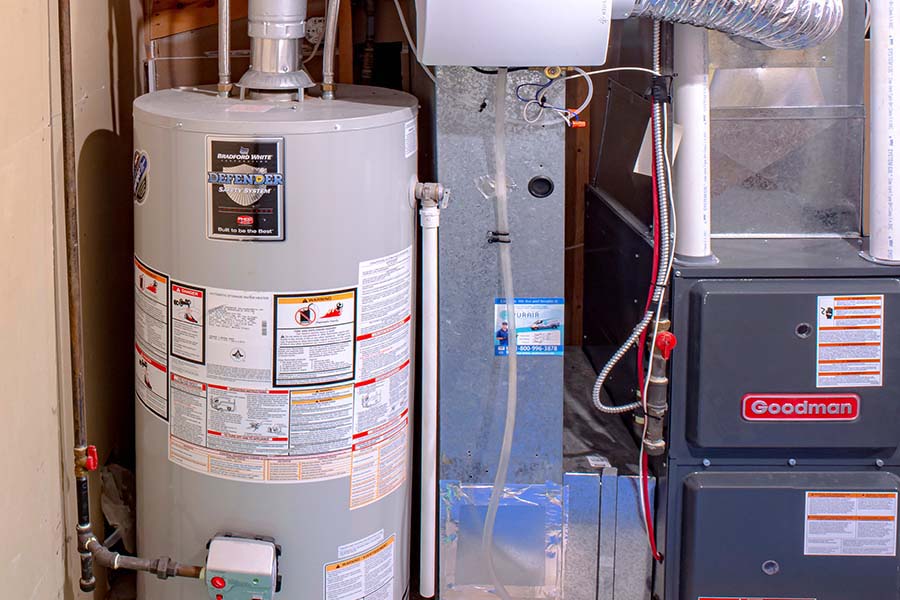
Older boiler systems do not fail all at once. They decline gradually, becoming less efficient, less reliable, and more expensive to operate season after season, until a repair bill or a heating failure finally prompts the conversation about replacement. In our service calls throughout Indianapolis, we regularly see homes with boilers well past their useful life, where the cost of maintaining the existing system has quietly exceeded what a modern replacement would have cost over the same period. Understanding what a current-generation boiler system offers and recognizing the signs that an upgrade is overdue helps homeowners make this decision from a position of information rather than in an emergency.
The Benefits of Modern Boiler Systems for Your Home
The gap in performance between a boiler installed twenty or thirty years ago and a modern system is significant. Today’s equipment is engineered to deliver consistent, reliable heat with fewer operational compromises.
Key advantages of modern boiler systems include:
- Consistent heating performance: Modern boilers are designed to maintain even heat distribution throughout the home, reducing the cold spots and temperature imbalances that older systems often develop.
- Quieter operation: Advances in burner technology and pump design have made contemporary boilers considerably quieter than their predecessors. Banging pipes and cycling noise are largely features of older equipment.
- Compact footprint: Current boiler designs take up significantly less space than older units, which can be meaningful in utility rooms, mechanical closets, or finished basement spaces.
- Improved safety features: Modern systems include automatic shut-off valves, pressure relief systems, and electronic controls that provide layers of protection not present in older equipment.
- Extended lifespan with proper maintenance: A well-maintained modern boiler, paired with accessible boiler repair service when issues arise, is designed to deliver reliable performance for fifteen to twenty years or more.
How Energy Efficiency Saves You Money
Energy efficiency is where the financial case for upgrading becomes most concrete. Older boilers, particularly those installed before the mid-2000s, often have efficiency ratings well below those of current equipment. A boiler that converts 70 to 80 percent of the fuel into usable heat leaves 20 to 30 percent of your energy on the table with every heating cycle.
Modern high-efficiency condensing boilers routinely achieve Annual Fuel Utilization Efficiency ratings of 90 percent or higher. For a home that spends several hundred dollars per month on heating during Indianapolis winters, the difference in operating cost between an aging system and a current high-efficiency model is measurable and ongoing.
Here is how that efficiency advantage translates financially:
- Reduced monthly utility costs: Lower fuel consumption per heating cycle directly reduces monthly energy bills, with savings that compound across an entire heating season.
- Tax incentives and rebates: Many high-efficiency heating systems qualify for federal tax credits or utility rebates. A technician or financing advisor can help identify what applies to a specific installation.
- Long-term maintenance savings: Modern systems are built with improved components and tighter manufacturing tolerances, reducing the frequency and cost of repairs over time.
- Financing options: Flexible financing allows you to access the long-term savings of a high-efficiency system without paying the full replacement cost upfront.
Key Features of Modern Boiler Technology
Beyond efficiency ratings, several specific technological features distinguish current boiler systems from the equipment they replace.
- Smart and programmable controls: Modern boilers integrate with programmable and smart thermostats, allowing homeowners to manage heating schedules remotely and optimize comfort based on occupancy patterns.
- Condensing technology: High-efficiency condensing boilers capture heat from exhaust gases that older non-condensing systems vent to the atmosphere. This recovered heat is what drives the efficiency ratings above 90 percent.
- Low-emissions burners: Current combustion technology produces significantly lower nitrogen oxide and carbon monoxide emissions than older equipment, reducing environmental impact and indoor air quality concerns.
- Modulating output: Many modern boilers can modulate their firing rate to match the actual heat demand at any given moment, rather than cycling fully on and fully off. This reduces wear, improves efficiency, and maintains more consistent temperatures throughout the home.
- Diagnostic displays: Built-in error code displays enable faster, more accurate professional service, reducing diagnostic time and labor costs when service is needed.
Signs Your Current Boiler Needs an Upgrade
Recognizing the indicators that a boiler is approaching end-of-life allows homeowners to plan a replacement on their own terms rather than responding to an emergency. Based on what we see in Indianapolis properties, these are the clearest signals that an upgrade conversation is warranted:
- Rising energy bills without a corresponding increase in usage: A boiler that has lost efficiency due to age or wear will consume more fuel to deliver the same heat output. If heating costs have trended upward over recent seasons, the boiler’s declining efficiency is often a contributing factor.
- Increasing repair frequency: A system that requires service calls multiple times per heating season has typically reached the point where continued repairs are less economical than replacement. The industry’s general guideline is that when a single repair exceeds 50 percent of the replacement cost, replacement is the more sound investment.
- Uneven heating or persistent comfort complaints: A boiler that can no longer maintain consistent heat distribution throughout the home is indicating that its capacity or mechanical condition has deteriorated beyond what maintenance can fully address.
- Age: Most boilers have a useful service life of 15 to 20 years with proper maintenance. Systems beyond that range are operating on borrowed time regardless of their current condition.
For homes with these signs, a professional boiler installation and replacement assessment provides a clear picture of the options and costs involved.
Financing Options for Upgrading Your Boiler in Indianapolis
Upfront cost is the most common reason homeowners delay a boiler upgrade they know is necessary. The investment in modern equipment is real, but so is the financial exposure of continuing to operate an aging system through another Indianapolis winter.
Kight’s Quality Air offers financing options designed to make the transition to a modern system manageable within a household budget. Low-interest payment plans spread the cost over time, allowing homeowners to begin benefiting from improved efficiency and lower operating costs immediately while managing the financial commitment on a schedule that works for them. Seasonal incentives and rebates available through manufacturers or utility programs can further reduce the net cost of an upgrade.
The right conversation to have is not whether to upgrade, but when and how to structure it in a way that makes financial sense for your household.
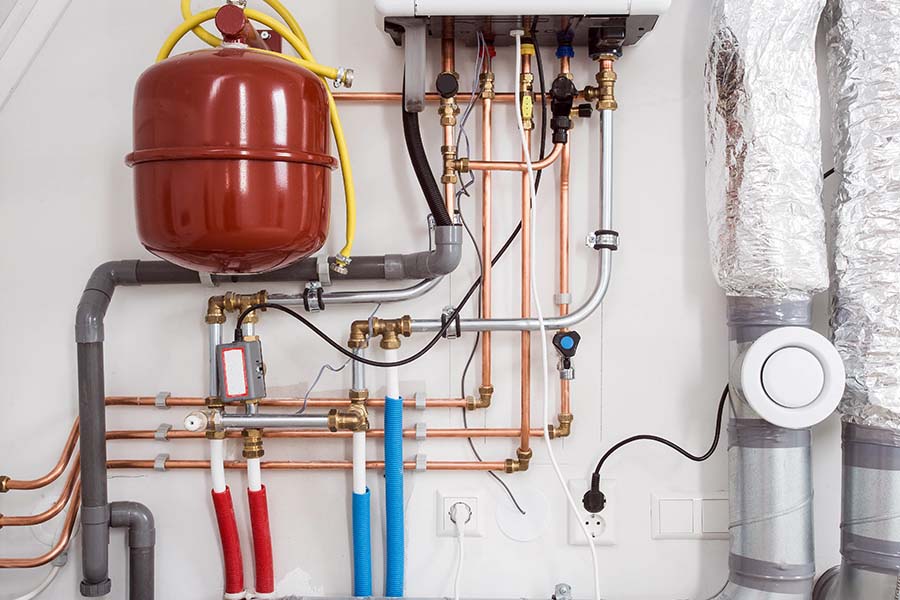
Don’t Boiler Over It, Just Upgrade
An aging boiler is a liability that compounds with each passing winter. A modern system is an investment that pays dividends in comfort, efficiency, and peace of mind from the first heating season forward. Kight’s Quality Air Conditioning & Heating Repair has the expertise and honest service approach to guide Indianapolis homeowners through the upgrade process from assessment to installation. Ready to make the switch? Our team provides boiler replacement in Indianapolis, IN, from sizing to final testing. Contact our team today to schedule a consultation and find out what a modern boiler system can do for your home.
Not ready to replace yet? Professional boiler repair can often keep an older system running safely for another season.